

Scammers don’t just target bank accounts. They target trust, kindness, and urgency. Across the country, older adults are experiencing a rise in financial scams that aim to steal savings, personal information, or even full control of accounts. Many of these scams can look convincing, sound urgent, and feel personal.
Awareness is one of the best ways to stay protected. Below are some of the most common financial scams affecting older adults today, along with warning signs to watch for.
1. Overpayment “Correction” Schemes
In this scam, fraudsters pretend to be a business and contact you to claim you were charged an incorrect fee. They offer to issue a refund but first ask for access to your digital banking. Once they gain access, they transfer money from one of your accounts—sometimes thousands of dollars—into your checking account. Then they claim they deposited too much by mistake and pressure you to return the “extra” funds immediately, often warning that law enforcement will be involved if you don’t comply. They typically request repayment through gift cards, bitcoin, or other untraceable payment methods.
Red flags to watch for:
- Requests for access to your digital banking or device
- A refund amount that’s larger than expected
- Instructions to send money back using gift cards, cryptocurrency, or wire transfers
Tip: Never allow someone to have remote access to your computer or give them your digital banking username or password. Always keep an eye on your account balances for all accounts.
2. The Grandparent or Family Emergency Scam
In this scam, fraudsters pretend to be your grandchild or relative, or even a lawyer or police officer calling on their behalf. The story is always urgent: There was an arrest, a medical emergency, an accident, or some other crisis that requires immediate money and secrecy. Scammers will pressure you to send money quickly through wire transfers, gift cards, or cash pickups and may insist you “don’t tell anyone.”
Red flags to watch for:
- A call asking for money right away
- Requests for payment via gift cards or wire transfers
- Pressure to keep the situation secret
Tip: Government agencies and legitimate law enforcement do not demand immediate payment over the phone.
3. Government or Financial Institution Impersonation Scams
Scammers may claim to be from Social Security, Medicare, the IRS, your bank, or even your credit union. They’ll tell you there’s a problem with an account, or your benefits are being suspended, or that suspicious activity has occurred on your account. The goal is to convince you to share personal information or move money to a “safe” account which is controlled by the scammer.
Red flags to watch for:
- Threats of arrest, benefit loss, or account closure
- Requests for Social Security numbers, PINs, or passwords
- Being told to move money to “protect it”
Tip: Banks and government agencies do not threaten or demand immediate action by phone, text, or email. Here are examples targeting Verve:
4. Tech Support and Computer Scam Alerts
These scams often begin with a phone call, email, or pop‑up message claiming your computer has a virus or your account has been compromised. They direct you to pay for “support” or “install software” that gives scammers access to devices and financial information.
Red flags to watch for:
- Unsolicited tech support calls or pop‑ups
- Requests for remote computer access
- Demands for payment to “fix” an issue

5. Romance and Online Relationship Scams
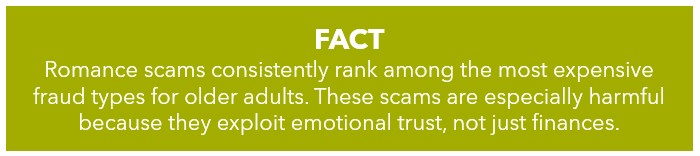
Scammers build a relationship with you through social media, email, or dating platforms, sometimes over weeks or even months, and use that as a front to ask for money. They may claim to need funds for medical bills, travel, business trouble, or emergencies, and often work to gain your trust and emotional connection before making the request. In many cases, they discourage you from talking to friends or family and ask for money to be sent privately or urgently.
Red flags to watch for:
- Requests for money from someone you’ve never met in person
- Stories that prevent meeting face‑to‑face
- Pressure to send funds privately
6. Charity, Lottery, and Sweepstakes Scams
Fraudsters may claim you’ve won a prize or pressure you to donate to a cause that doesn’t exist. In many cases, you are told they must pay taxes, fees, or other upfront costs before receiving winnings or making a donation—something legitimate lotteries and charities do not require.
Red flags to watch for:
- Being asked to pay money to claim a prize
- Charities that cannot provide written information
- Urgent donation requests, especially during crises
How You Can Protect Yourself
- Take time before making financial decisions. Urgency is a common scam tactic—don’t fall for it.
- Never share account numbers, PINs, or passwords.
- Verify requests by contacting trusted family or calling organizations directly using known phone numbers.
- Review account statements regularly for unusual activity.
If something feels off, trust your instincts and pause.
If You Suspect a Scam
If you believe you or someone you care about may be experiencing financial exploitation, help is available. You can contact the National Elder Fraud Hotline at 833‑FRAUD‑11, or report suspected fraud through the FTC and local law enforcement. Early reporting can help limit damage and protect others.
If you think your Verve account is at risk because of any scam, call Verve at 800.448.9228. One of our team members can look at your account with you to verify there are no suspicious transactions, help you cancel your card if you’ve entered your number into a questionable website, and help you safeguard your account against fraud.
Learn More with Verve’s Financial Resource Center
Now you can learn about fraud prevention and build other financial knowledge through Verve’s Financial Resource Center, our FREE online platform packed with financial education modules—at no cost to you!
Visit verveacu.com, click Financial Resource Center under the Financial IQ menu option at the top of the page, and choose the learning modules that best fit your goals.
Read More
Stay up to date on how to best protect your money and information by reading our collection of security and fraud blog posts.





 Federally Insured by NCUA |
  Equal Housing Opportunity |